Worldwide
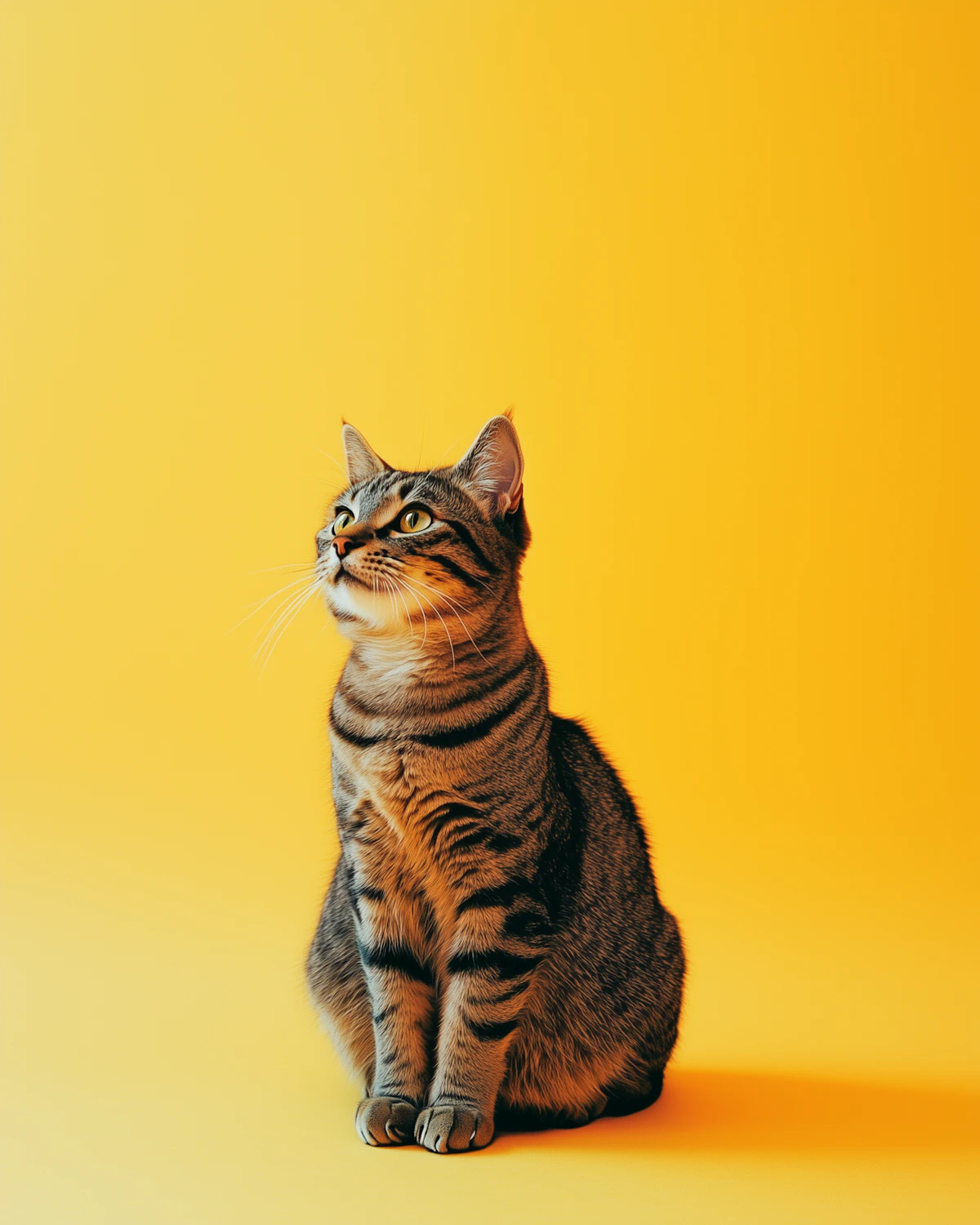
Domestic Shorthair
The everyday cat, and the world's most common
Not a pedigree but a wonderfully varied mix, the domestic shorthair makes up most of the cats in homes and shelters around the world.
- Size
- Medium
- Coat
- Short
- Lifespan
- 12 to 18 years
- Weight
- 8 to 15 lb
Temperament at a glance
Personality
Because they come from a mix of backgrounds, domestic shorthairs range from laid-back lap cats to bold explorers. Adopting an adult lets you meet their personality before you commit, and shelter staff can usually tell you which cats enjoy children, dogs or a quiet home.
Care and grooming
Their short coats are low maintenance and need only a weekly brush. Like all cats, they benefit from daily play, sturdy scratching posts and routine vet checks. An indoor or safely enclosed lifestyle helps them live longer.
Health
A broad gene pool means many domestic shorthairs are hardy, with fewer of the inherited conditions seen in some pedigree breeds. Weight gain and dental disease are their most common problems, so keep portions measured and check their teeth regularly.
History
All domestic cats descend from the African wildcat, and a cat buried beside a person in Cyprus about 9,500 years ago shows how far back our partnership goes. Most cats today are random-bred, shaped by natural selection rather than breed standards.
Did you know?
Look closely at most tabby cats and you will spot a distinctive letter M marking on their forehead.
Keep exploring
More breeds to meet
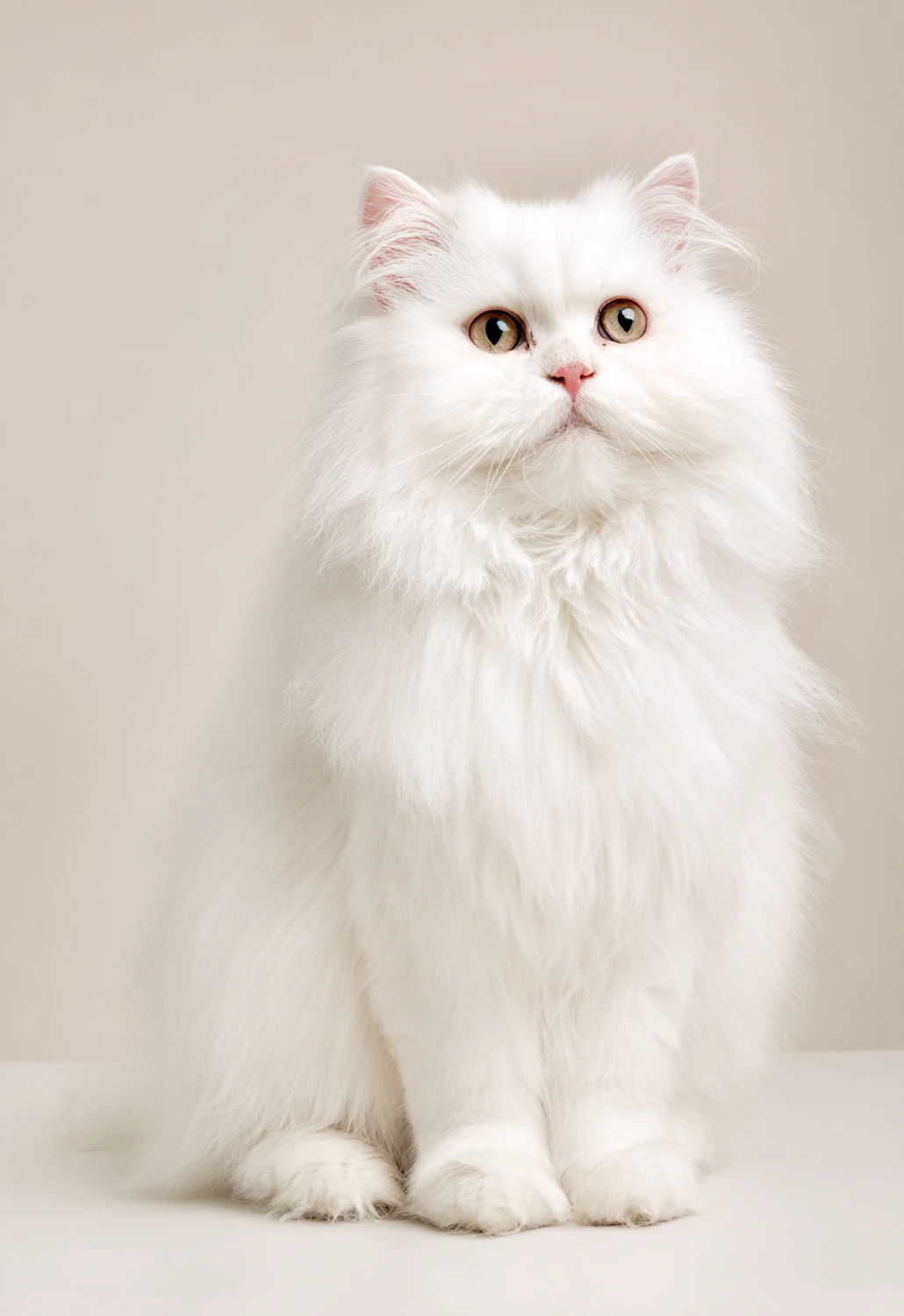 Coat LongSize Medium
Iran (Persia)
Persian
The serene aristocrat of the cat world
- Energy
- Affection
- Grooming
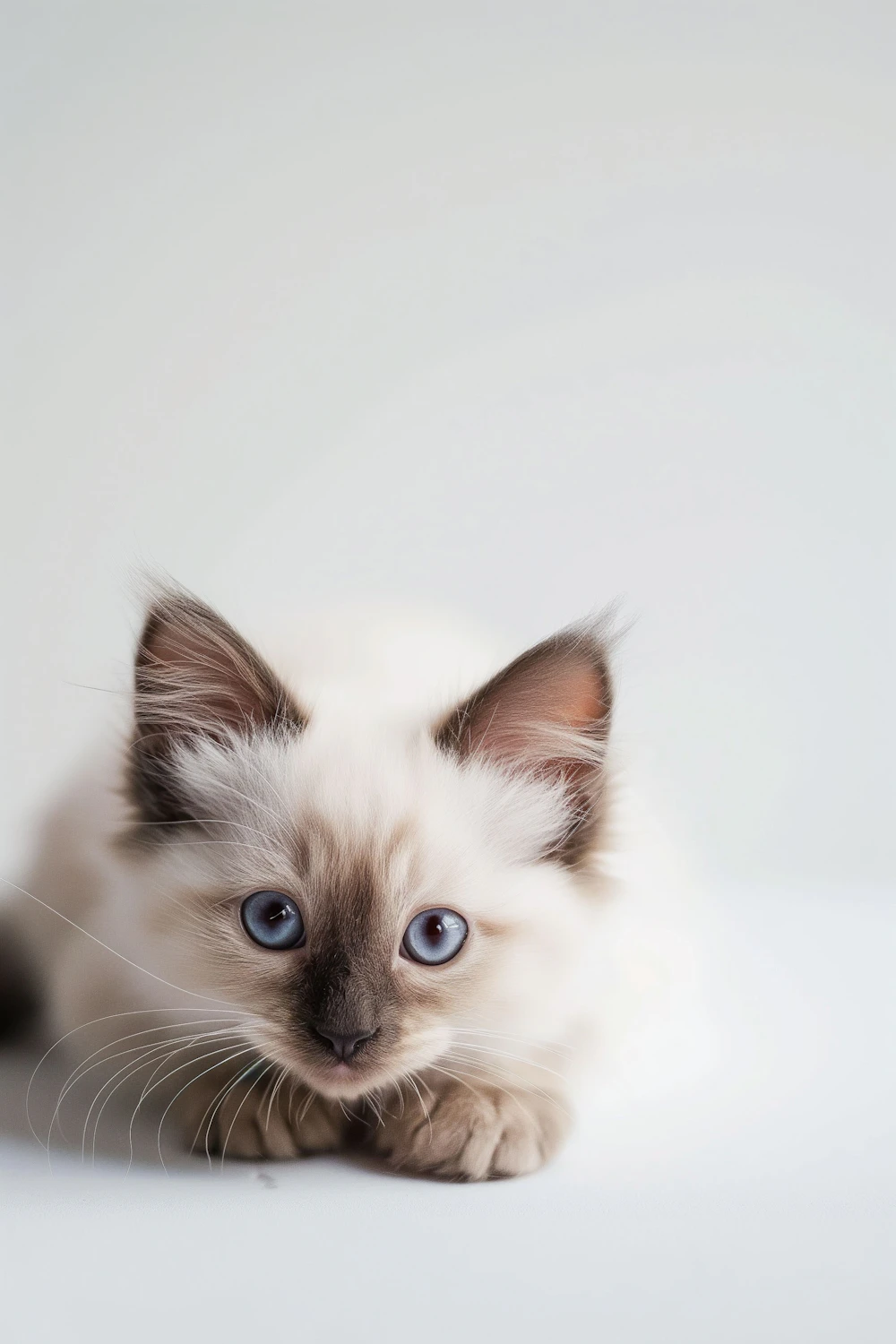 Coat LongSize Large
United States
Ragdoll
The big softie who goes limp in your arms
- Energy
- Affection
- Grooming
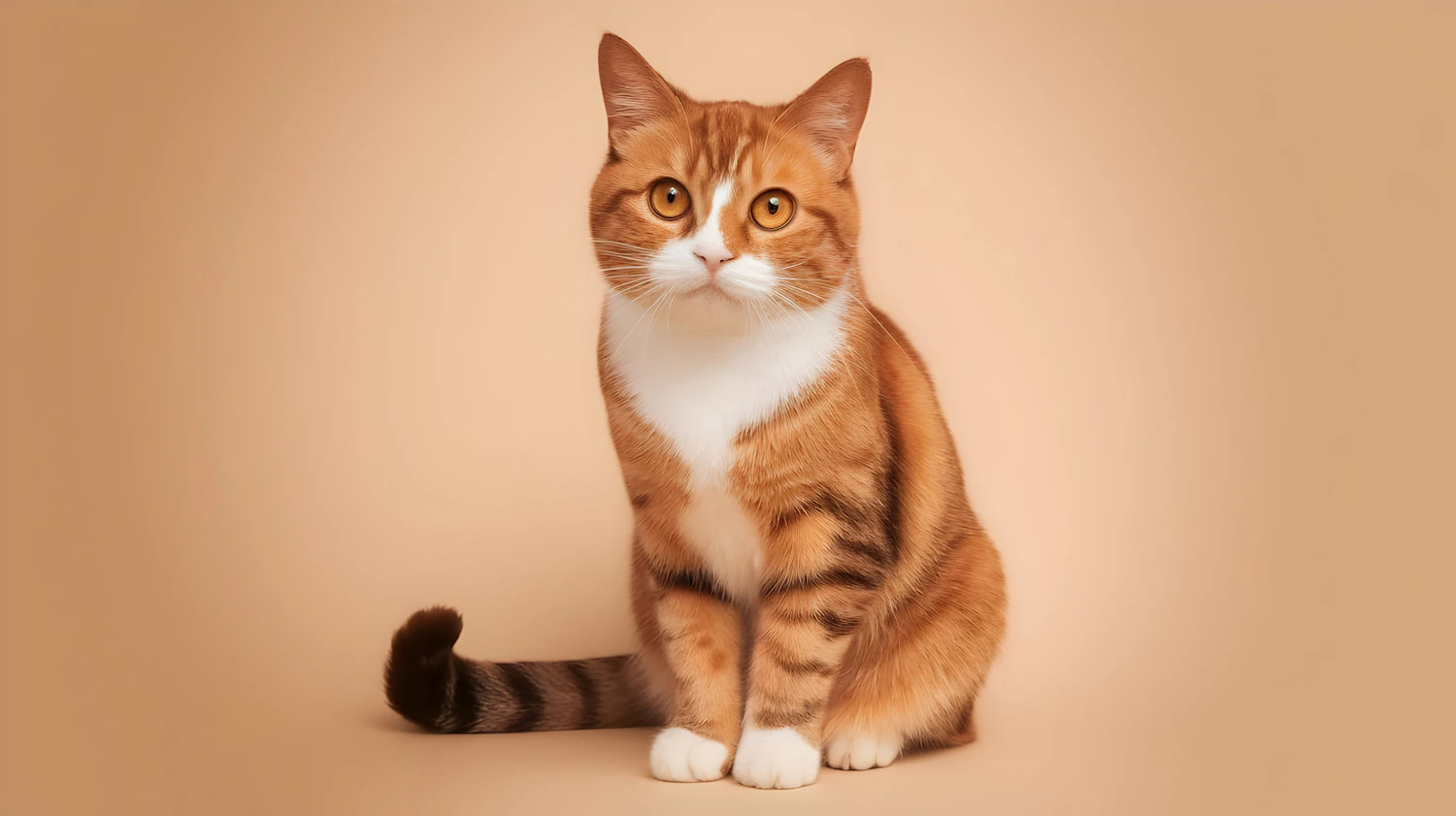 Coat ShortSize Medium
United Kingdom
British Shorthair
The original teddy bear of the cat world
- Energy
- Affection
- Grooming
Not sure which cat would suit you?
Answer five quick questions about your home and routine, and we will suggest the breeds most likely to thrive with you.
Take the breed matcher