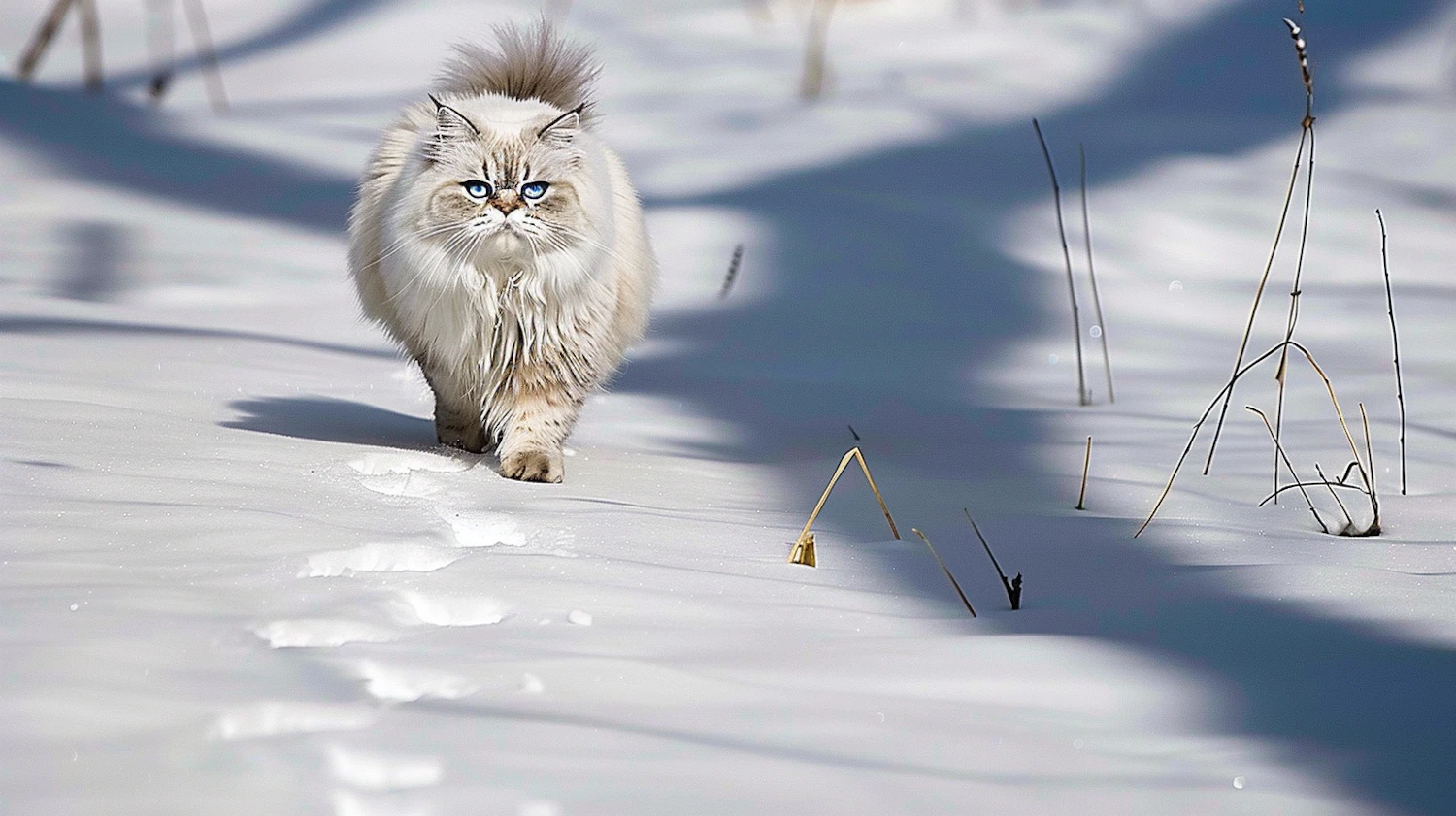
Russia
Siberian
A forest cat built for Russian winters
Powerful, playful and wrapped in a weatherproof triple coat, the Siberian is an adventurous cat with a soft heart and a curious fascination with water.
- Size
- Large
- Coat
- Long
- Lifespan
- 11 to 15 years
- Weight
- 8 to 17 lb
Temperament at a glance
Personality
Siberians are confident, affectionate and surprisingly agile for their size. They love to climb, solve puzzle toys and even play fetch, yet are just as happy to settle beside you for the evening. Many are fascinated by water and will happily dip a paw into a dripping tap.
Care and grooming
The thick triple coat sheds heavily in spring and fall. A good brush once or twice a week is usually enough, with daily sessions during peak shedding. Tall cat trees and daily interactive play help burn off their energy.
Health
Siberians are generally sturdy cats, but hypertrophic cardiomyopathy (HCM) has been reported in the breed, so ask breeders about heart screening. As with any large cat, keep an eye on their weight and dental health.
History
Long-haired forest cats have lived in Russia for centuries, appearing in folk tales and village life. Organized breeding began in the 1980s, and the first Siberians arrived in the United States in 1990.
Did you know?
Some people with cat allergies report milder symptoms around Siberians, which may produce less of the Fel d 1 allergen. No cat is truly hypoallergenic, though, so spend time with one before committing.
Keep exploring
More breeds to meet
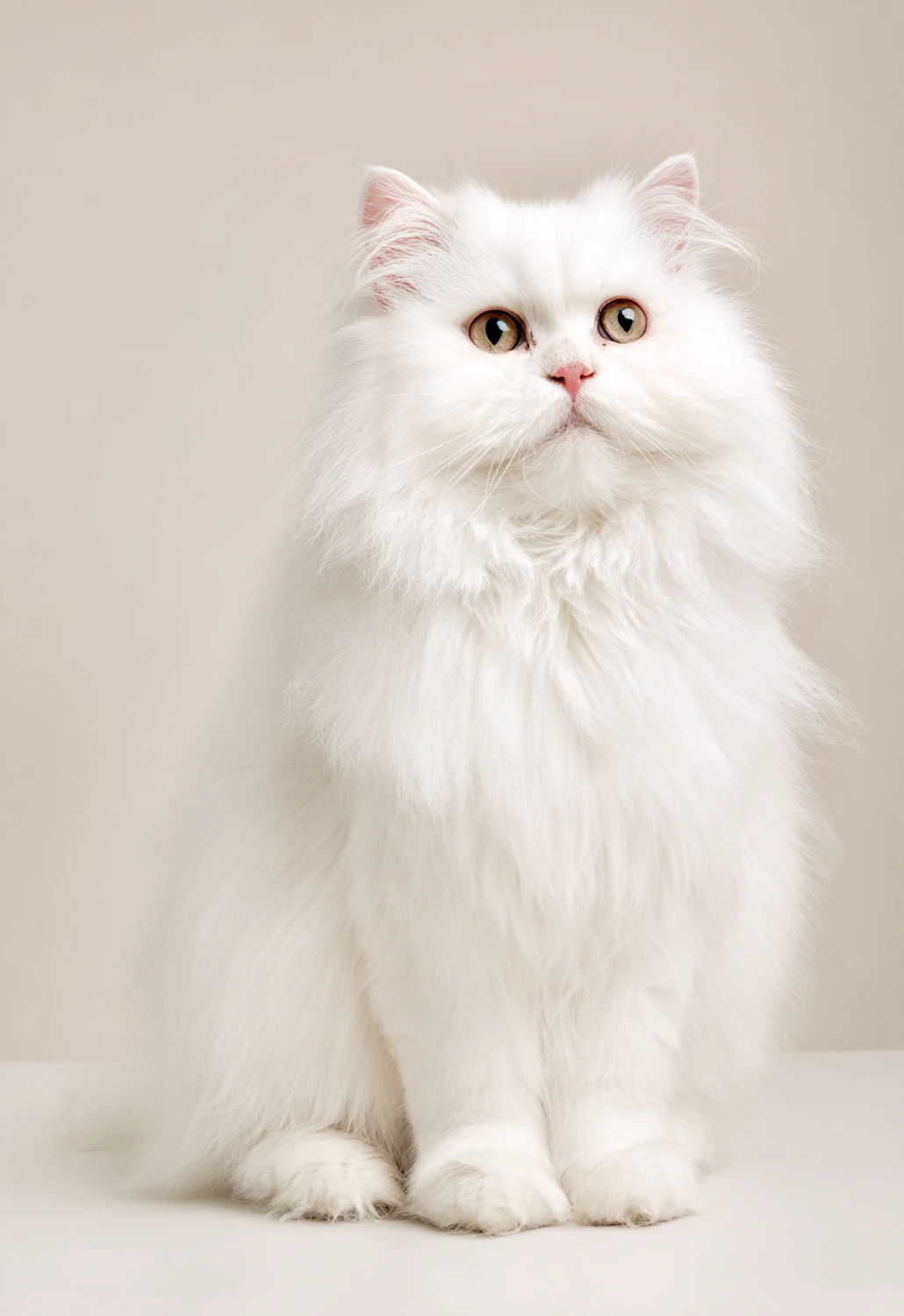 Coat LongSize Medium
Iran (Persia)
Persian
The serene aristocrat of the cat world
- Energy
- Affection
- Grooming
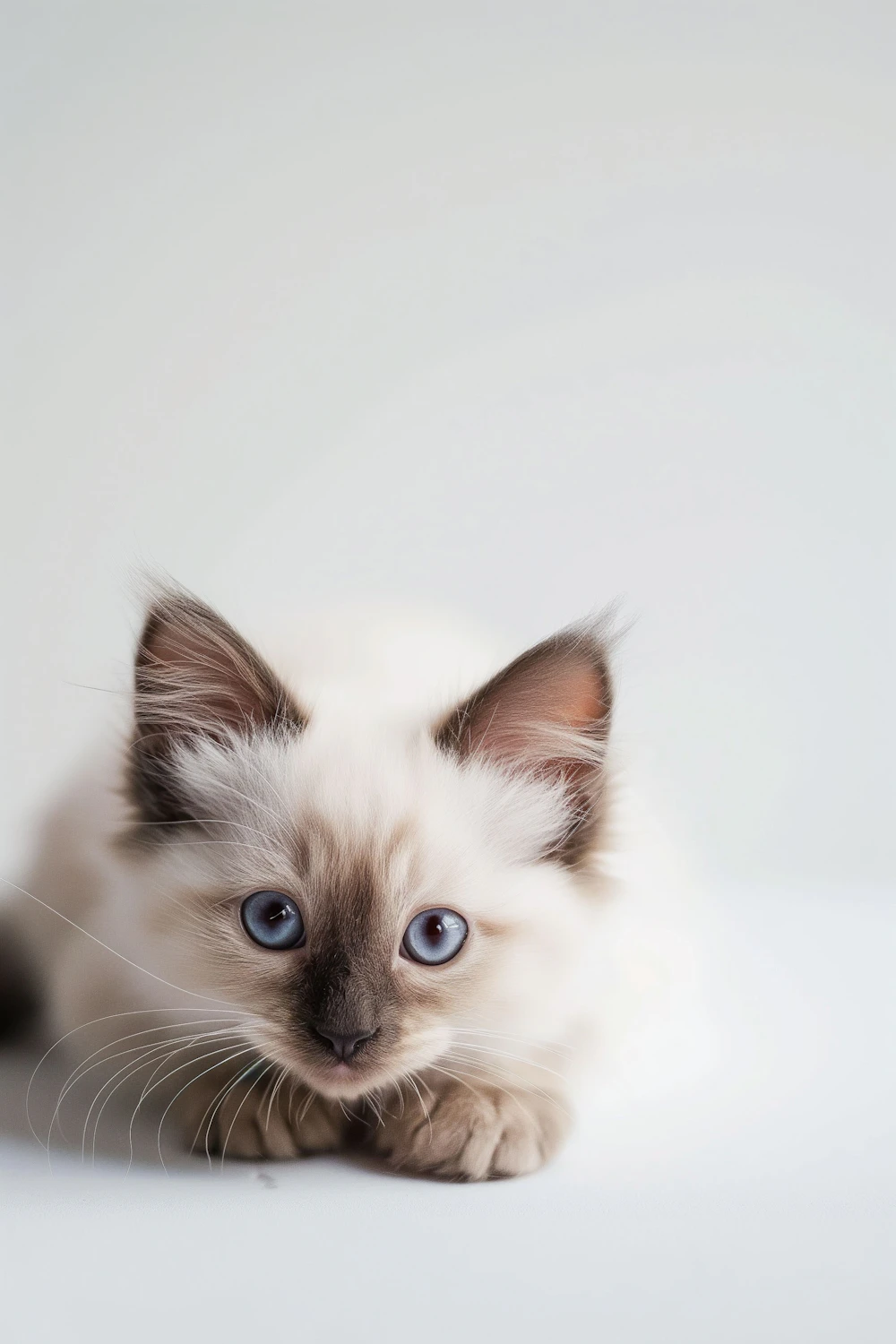 Coat LongSize Large
United States
Ragdoll
The big softie who goes limp in your arms
- Energy
- Affection
- Grooming
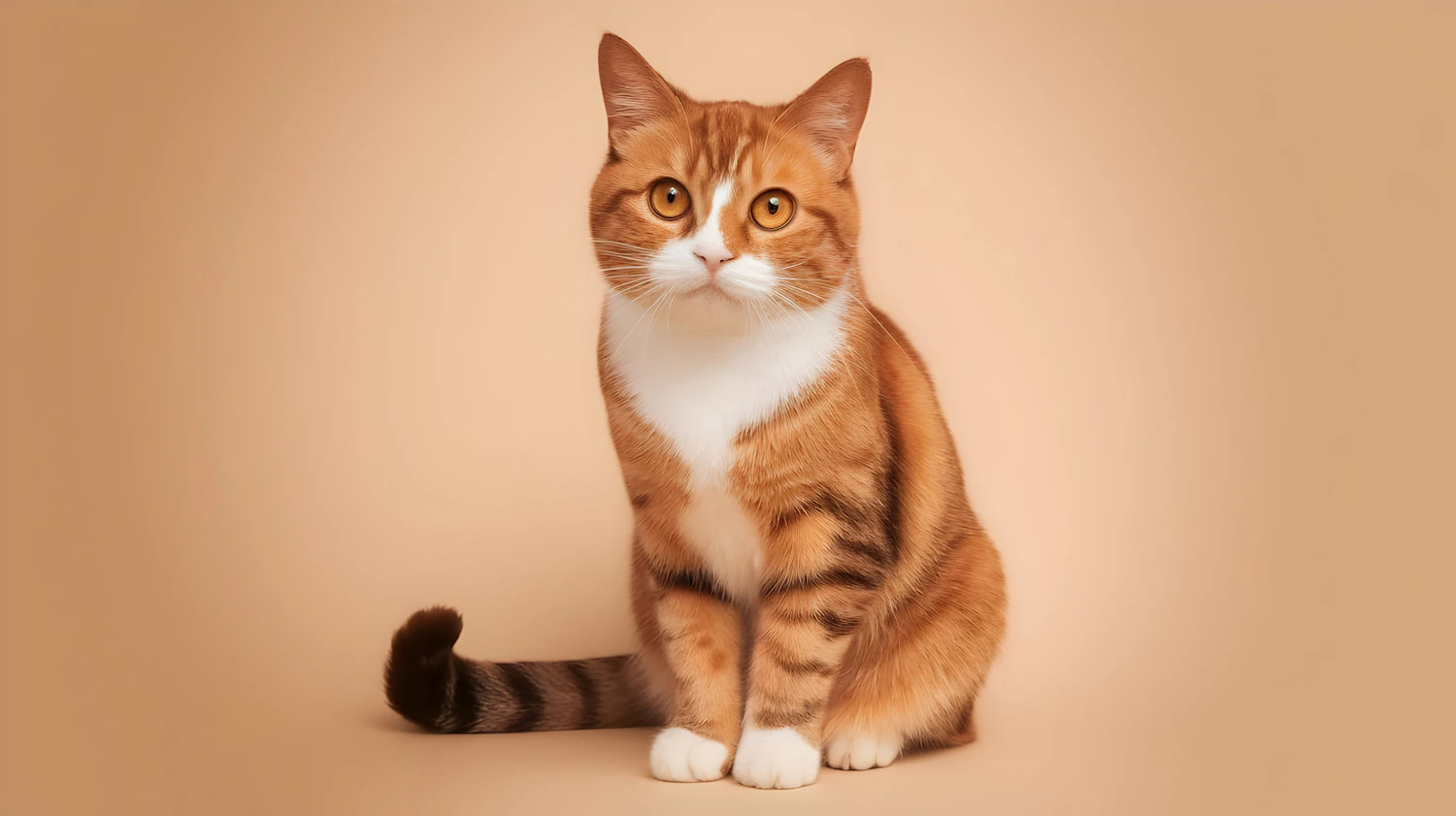 Coat ShortSize Medium
United Kingdom
British Shorthair
The original teddy bear of the cat world
- Energy
- Affection
- Grooming
Not sure which cat would suit you?
Answer five quick questions about your home and routine, and we will suggest the breeds most likely to thrive with you.
Take the breed matcher